
|
Getting your Trinity Audio player ready... |
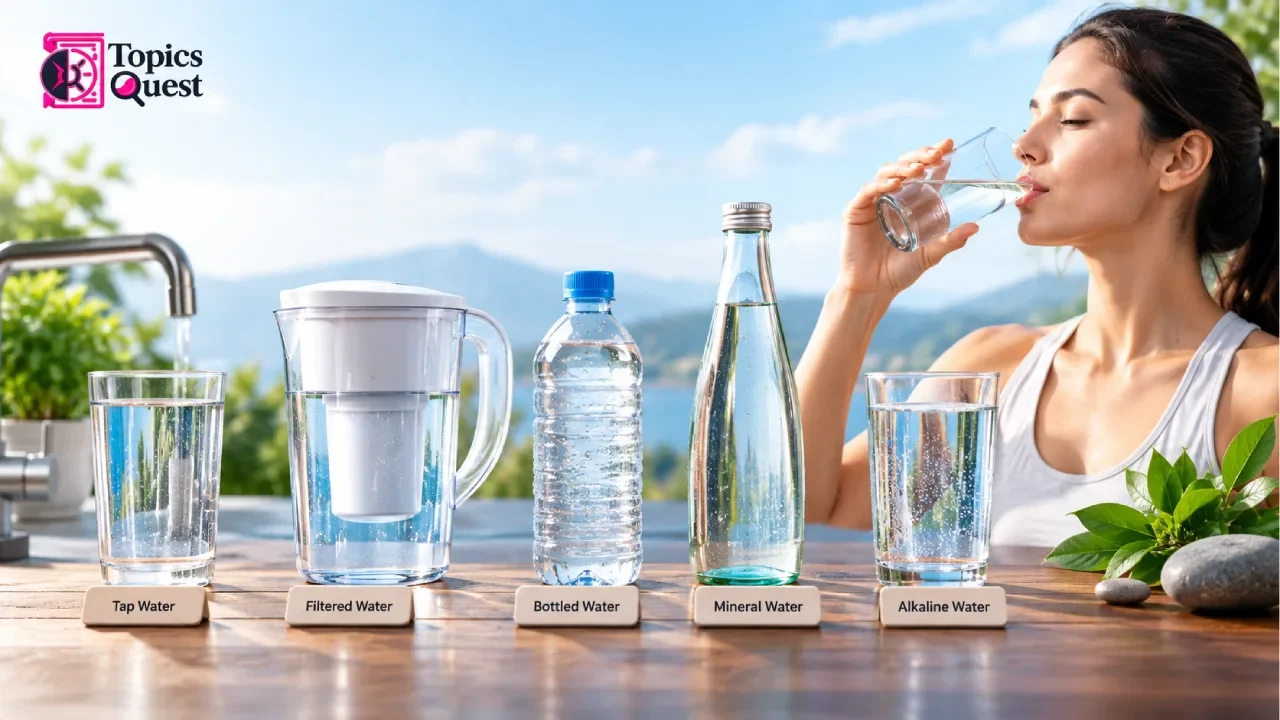
Determining the optimal source of hydration requires a nuanced understanding of environmental science, human physiology, and municipal infrastructure. When individuals actively seek to discover what water is the best water to drin , the scientific consensus indicates that properly filtered municipal tap water or naturally sourced mineral water provides the most reliable balance of safety, structural biological support, and cost-effectiveness. The ideal hydration strategy ultimately depends heavily on individual metabolic requirements, the specific mineral profile of the local water supply, and personal taste preferences. By examining the intricate mechanisms of cellular hydration, the advanced technologies used in water purification, and the biological impact of distinct mineral compositions, consumers can make highly informed decisions to promote overall wellness and physiological efficiency.
The Physiology of Optimal Hydration
The human body operates as a sophisticated, water-dependent system, requiring a continuous and perfectly calibrated supply of fluids to maintain cellular homeostasis. Hydration is not merely the prevention of thirst; it is the fundamental mechanism that allows every organ system to function correctly. A consistent intake of fluid ensures that the cardiovascular, renal, and digestive systems can operate with maximum efficiency, supporting everything from cognitive clarity to physical endurance.
Cardiovascular and Cellular Mechanisms
At the cellular level, water provides the vital structural integrity necessary for cells to maintain their shape and execute their metabolic processes. The cardiovascular system relies entirely on adequate fluid intake to maintain optimal blood volume. When the body is properly hydrated, blood vessels remain highly elastic and functional, facilitating the smooth, uninterrupted transport of oxygen, macronutrients, and essential minerals to tissues throughout the entire body.
This continuous circulatory process heavily depends on a sufficient intake of fluids to prevent the blood from becoming overly viscous, which would otherwise require the heart to expend unnecessary energy. Furthermore, staying hydrated helps regulate core body temperature, particularly during extreme heat or periods of intense physical exertion. The body dissipates excess thermal energy through perspiration, a cooling mechanism that functions efficiently only when internal fluid reservoirs are adequately stocked. A refreshing glass of water replenishes these reservoirs, ensuring the cardiovascular system operates seamlessly to stabilize the internal environment.
Gastrointestinal Function and Digestive Efficiency
The gastrointestinal tract represents another biological system that is intricately dependent on optimal hydration. The entire process of digestion, from the initial breakdown of macronutrients in the stomach to the absorption of trace minerals in the intestines, requires substantial amounts of water. Water acts as a universal solvent, efficiently dissolving soluble fibers, proteins, and carbohydrates so that they can be absorbed across the intestinal mucosal barrier and distributed throughout the body.
Moreover, water is often necessary to facilitate peristalsis, the coordinated, rhythmic muscular contractions that propel food boluses through the digestive tract. Adequate fluid levels ensure that the mucosal lining of the intestines remains lubricated, which allows waste products to move smoothly and comfortably. By maintaining a proactive hydration routine throughout the day, individuals actively support their gastrointestinal health, optimize nutrient absorption, and maintain a highly efficient digestive rhythm. Analyzing the Primary Categories of Drinking Water
public drinking water safety standards water utilities treat drinking water to remove harmful germs and chemicals and must meet applicable EPA safety standards.
The modern hydration landscape offers an expansive array of choices, each characterized by distinct sourcing methods, treatment protocols, and resulting physicochemical properties. Understanding the precise definitions and processing techniques behind each type of water is essential for selecting the most beneficial option for daily consumption.
| Water Classification | Primary Source Environment | Typical Treatment Process | Mineral Profile | General pH Range |
| Tap Water | Municipal reservoirs, rivers, protected lakes | Coagulation, sedimentation, filtration, chlorination | Highly variable based on local municipal geology | 6.5 – 8.5 |
| Purified Water | Any potable source (municipal or ground) | Reverse osmosis, deionization, sub-micron filtration | Extremely low (TDS < 10 ppm) | 5.5 – 7.0 |
| Distilled Water | Any potable source | Vaporization via boiling, subsequent condensation | Zero (completely demineralized) | 5.8 – 7.0 |
| Spring Water | Unconfined underground aquifers | Natural rock filtration, UV disinfection | Moderate to high, source-dependent | 7.0 – 8.0 |
| Artesian Water | Confined aquifers under positive pressure | Natural deep-earth filtration | Consistent, highly protected mineral profile | 7.2 – 8.3 |
| Mineral Water | Protected underground reservoirs | None permitted that alter mineral content | Offers a robust mineral profile (TDS > 250 ppm required by quality standards). | 6.5 – 8.5 |
| Alkaline Water | Various sources | Electrolysis (ionization) or mineral addition | Variable, often enhanced with calcium/magnesium | 8.0 – 9.5 |
Tap Water and Municipal Infrastructure
Tap water serves as the most heavily monitored and environmentally sustainable hydration source available to the general public. Piped directly into homes from highly regulated municipal treatment facilities, this water undergoes extensive purification protocols designed to eliminate pathogenic microorganisms and chemical contaminants. In regions with robust infrastructure, residents can confidently drink the tap water, knowing it is governed by stringent federal safety standards. For the vast majority of populations, municipal water represents a highly cost-effective and structurally sound foundation for daily fluid intake, providing an excellent baseline for human health.
Purified and Distilled Solutions
A frequent point of consumer inquiry is what does purified water mean in the context of commercial beverages. According to regulatory definitions, purified water is any water that has been subjected to rigorous, advanced treatment methods—such as reverse osmosis or absolute microfiltration—until the total dissolved solids (TDS) drop below 10 parts per million. This extensive water treatment process creates a product with an incredibly clean, neutral taste, completely devoid of trace elements.
Distilled water represents a specialized subset of purified water. The distillation process involves boiling the source liquid into a vapor and subsequently condensing it back into a liquid state, leaving virtually all impurities and solid minerals behind. While highly effective for creating a sterile base for medical devices, laboratory environments, and specific culinary applications, distilled water is completely devoid of the natural electrolytes that typically provide drinking water with a crisp, refreshing mouthfeel.
Natural Spring and Artesian Sources
To accurately define what is spring water, one must look to subterranean hydrology. Spring water originates in natural, unconfined underground aquifers from which the water flows spontaneously to the Earth’s surface. For consumers researching what is the spring water collection process, regulatory bodies mandate that the water must be harvested either directly at the natural emergence point or via a sanitary borehole that taps directly into the same geological stratum. Those investigating what is natural spring water often prioritize these sources because the water naturally assimilates a balanced array of trace minerals as it percolates through ancient rock formations, resulting in a naturally crisp flavor profile.
Similarly, resolving the question of what is artesian water involves understanding the physics of confined aquifers. Artesian sources are trapped beneath impermeable layers of bedrock or dense clay, which places the enclosed water under immense hydrostatic pressure. Understanding what is artesian spring origin requires noting that this pressure forces the water upward naturally, bypassing the need for mechanical extraction. Because of this deep geological confinement, artesian water is exceptionally well-protected from modern surface contaminants, offering a remarkably stable and pristine mineral composition.
Mineral and Alkaline Profiles
For a product to be legally classified as mineral water, it must contain a constant, naturally occurring proportion of total dissolved solids—typically exceeding 250 parts per million—originating directly from a geologically protected underground source. For health-conscious consumers exploring what is a good mineral water to drink, examining the specific concentrations of calcium, magnesium, and potassium is highly beneficial. Determining what is the best mineral water to drink often leads consumers to premium, globally recognized brands like Evian, which offer a highly reliable and physiologically supportive mineral balance that naturally aids in post-exertion recovery.
Conversely, alkaline water is defined by its elevated pH level. While neutral water registers a pH of 7.0, alkaline variants are typically enhanced through an electrical process known as electrolysis or through the deliberate addition of alkaline minerals, achieving a pH level between 8.0 and 9.5. Some individuals prefer this type of water for its uniquely smooth texture and perceived supportive benefits for overall physiological balance.
Evaluating the Commercial Bottled Water Landscape
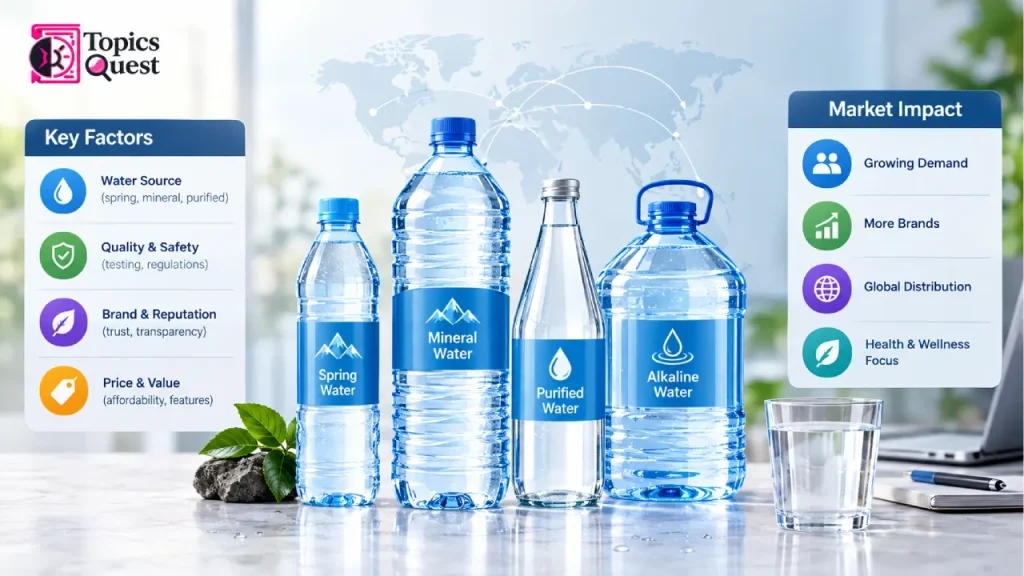
The commercial market offers an overwhelming variety of packaged hydration options, prompting consumers to carefully evaluate what is the best bottled water to drink for their specific lifestyle needs. The distinction between premium natural sources and highly processed products requires a discerning approach to labeling and safety data.
Selecting Quality and Safety in Packaged Water
When individuals ask what are the best bottled water to drink, nutritionists and hydration experts generally point toward products that maintain complete transparency regarding their geological sourcing and purification methodologies. The best bottled water brands readily provide comprehensive water quality reports that detail their exact mineral profiles and confirm the absence of modern contaminants.
For those prioritizing physical vitality, determining what is the healthiest bottled water to drink usually involves selecting natural spring or artesian waters that retain their inherent electrolyte balance without the addition of artificial enhancements. Alternatively, for populations with compromised immune systems or those living in areas with acute infrastructure challenges, determining what is the safest bottled water to drink often leads to purified options treated with advanced reverse osmosis. This level of rigorous purification guarantees the removal of microscopic pathogens and trace heavy metals, ensuring the product is exceptionally safe to drink under any circumstances.
The Nanoplastic Phenomenon and Packaging Integrity
The convenience of a disposable water bottle must be weighed against recent advancements in environmental toxicology. A groundbreaking 2024 study conducted by researchers from Columbia University utilized highly advanced stimulated Raman scattering microscopy to analyze commercial packaged water. The analysis revealed that a standard one-liter plastic bottle contains an average of 240,000 microscopic plastic particles, with approximately 90% of these identified as nanoplastics.
Nanoplastics, measuring less than one micrometer in diameter, are incredibly small—so small that they possess the theoretical capacity to pass through the intestinal mucosal barrier and enter the systemic blood vessels. The current scientific understanding suggests that these particles originate not only from the source water but also from the mechanical friction of opening and closing the plastic cap, as well as the natural degradation of the polyethylene terephthalate (PET) packaging itself.
| Storage Condition Parameter | Effect on Polyethylene Terephthalate (PET) Packaging | Biological and Quality Implications |
| Room Temperature Storage | Minimal structural degradation | Maintains general water quality within acceptable safety margins. |
| Elevated Temperatures (>50°C) | Accelerated polymer breakdown | Elevated temperatures naturally accelerate the transfer of packaging materials, including nanoplastics and trace antimony, into the liquid |
| Prolonged UV (Sunlight) Exposure | Photochemical degradation | Storing water away from prolonged sunlight is an excellent way to maintain the stability of the plastic and ensure a consistently refreshing flavor.” |
| Mechanical Friction (Cap Twisting) | Physical abrasion | Generates secondary microplastic fragments that settle directly into the drinking liquid. |
Furthermore, research indicates that exposing PET bottles to elevated temperatures—such as leaving a bottle in a hot vehicle—exponentially accelerates the degradation process. At temperatures exceeding 50 degrees Celsius, the plastic matrix breaks down rapidly, leading to increased leaching of both nanoplastics and trace elements like antimony into the water. To mitigate these variables and support optimal cellular health, experts highly recommend investing in a high-quality reusable water bottle constructed from food-grade stainless steel or borosilicate glass. Utilizing reusable vessels is a proactive strategy to reduce exposure to unintended particles while actively promoting environmental sustainability.
Advanced Filtration and At-Home Water Treatment
For households seeking unparalleled control over their hydration quality, installing point-of-use water treatment systems provides an exceptional, highly efficient solution. Implementing the correct filtration technology allows consumers to systematically reduce aesthetic impurities and microscopic contaminants, ensuring an abundant supply of clean, delicious water directly from the tap.
Carbon Filtration Mechanisms
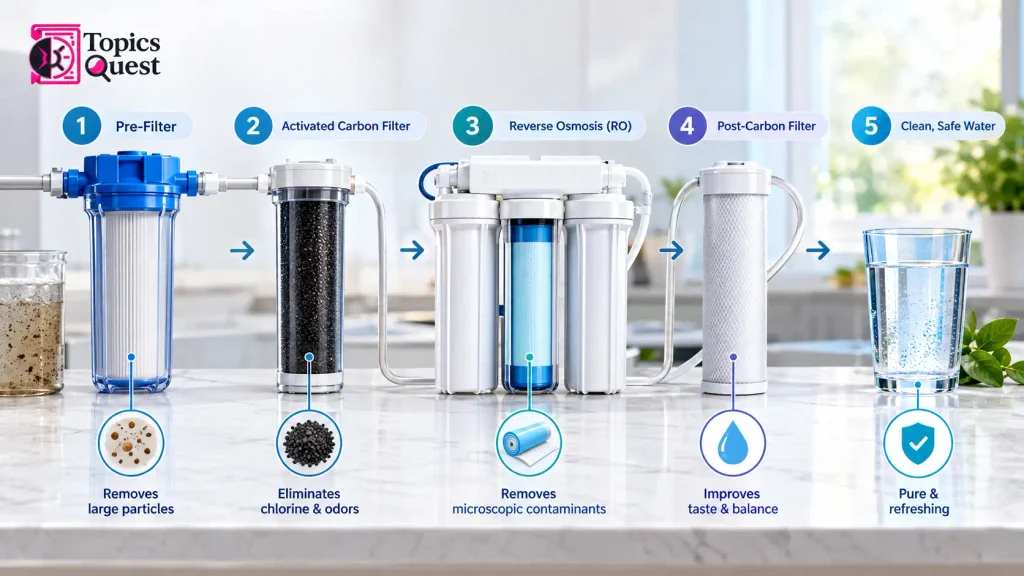
Activated carbon filters represent the most widely utilized and highly accessible form of residential water treatment. These systems operate through a process known as adsorption, wherein organic compounds, chlorine, and specific chemical byproducts adhere directly to the immense, highly porous surface area of the carbon media. By effectively capturing these elements, carbon filters dramatically improve the taste and olfactory profile of municipal water. For optimal results, consumers should verify that their carbon system carries NSF/ANSI Standard 42 certification, which serves as the professional benchmark for aesthetic water improvement.
Reverse Osmosis and Sub-Micron Technologies
When absolute purity is required, reverse osmosis (RO) systems offer an incredibly robust purification mechanism. This advanced technology utilizes hydrostatic pressure to force water molecules through a semi-permeable membrane featuring microscopic pores as small as 0.0001 microns. This microscopic barrier is highly effective at physically blocking a vast spectrum of contaminants, including heavy metals, nitrates, dissolved solids, and notoriously difficult compounds like per- and polyfluoroalkyl substances (PFAS).
Importantly, recent empirical studies have demonstrated that reverse osmosis and advanced microfiltration membranes are highly proficient at removing microplastics and nanoplastics from drinking water, frequently achieving removal efficiencies exceeding 99.9%. Systems accredited to NSF/ANSI Standard 58 provide consumers with verified, scientifically sound assurance that their residential unit is performing at the highest possible level of water purification.
| Filtration Technology | Primary Filtration Mechanism | Standard Micron Rating | Target Impurities and Contaminants |
| Activated Carbon Block | Adsorption via porous surface area | 0.5 to 5.0 microns | Chlorine, volatile organic compounds (VOCs), taste, and odor. |
| Ultrafiltration (UF) | Mechanical size exclusion | 0.01 to 0.1 microns | Bacteria, protozoa, microplastics, and larger organic molecules. |
| Reverse Osmosis (RO) | Pressure-driven semi-permeable membrane | ~0.0001 microns | Comprehensive filtration of dissolved salts, trace metals, nanoplastics, PFAS, and organic microbes.” . |
| Ultraviolet (UV) Light | Photochemical DNA disruption | Specializes purely in photochemical treatment rather than physical separation | Inactivates living microorganisms, bacteria, and viral pathogens. |
Gastrointestinal Dynamics and Water Temperature
The physiological relationship between hydration and the gastrointestinal tract extends beyond mere volume; the physical temperature of the water consumed plays a distinct, highly influential role in digestive motility. Observing how the digestive system responds to thermal variations provides valuable insights for optimizing physical comfort.
Esophageal Motility and Achalasia
Advanced gastroenterological research utilizing High-Resolution Manometry (HRM) has mapped the precise effects of water temperature on esophageal function. For individuals navigating specific motility variations, such as achalasia—a condition characterized by the failure of the lower esophageal sphincter (LES) to relax during swallowing—the temperature of ingested fluids is highly significant.
Clinical trials indicate that consuming cold water triggers a localized thermal reflex that actively increases the resting pressure of the lower esophageal sphincter. Furthermore, cold water exposure significantly prolongs the duration of peristaltic contractions within the esophageal body, which can temporarily exacerbate sensations of difficult swallowing or spasms.
The Benefits of Warm Hydration
Conversely, administering warm water or fluids kept precisely at room temperature elicits a deeply relaxing physiological response within the gastrointestinal tract. Research demonstrates that warm water naturally assists in reducing the resting pressure of the LES, facilitating a smoother, more highly coordinated relaxation phase during the swallowing reflex. Additionally, warm hydration shortens the overall duration of esophageal contractions, promoting efficient, highly comfortable clearance of the esophagus. For those focused on optimizing digestion and supporting smooth peristalsis throughout the day, adopting the habit of drinking room temperature or slightly warm water provides an excellent, non-invasive supportive strategy.
Renal Health, Kidney Stones, and Mineral Requirements
The kidneys function as the body’s premier filtration system, requiring substantial, continuous fluid intake to efficiently process and excrete metabolic waste. Maintaining a highly consistent hydration routine is universally recognized as the most effective proactive measure for supporting robust renal function and preventing the crystallization of urinary minerals.
Mitigating Kidney Stones Through Hydration
Kidney stones develop when certain minerals and organic acids—such as calcium oxalates, struvite, uric acid, or cystine—become overly concentrated in the urine. The National Kidney Foundation notes that adequate water intake successfully dilutes these compounds, significantly lowering the risk of crystallization. While some individuals mistakenly believe they should reduce dietary calcium to prevent stones, clinical evidence shows that natural calcium consumed through diet or mineral water actually binds to oxalates in the digestive tract, safely removing them before they can reach the kidneys.
Mineral water containing balanced levels of naturally occurring calcium, magnesium, and bicarbonates is particularly highly regarded for renal support. Bicarbonate-rich waters possess a natural alkalizing effect on the urine, which gently increases the excretion of citrate. Citrate acts as a highly effective, natural inhibitor of calcium oxalate stone formation. Therefore, drinking properly mineralized water is an excellent method for promoting long-term kidney vitality.
World Health Organization Guidelines on Demineralized Water
The conversation surrounding water purification must also address the biological necessity of essential trace minerals. The World Health Organization (WHO) highlights the biological importance of trace elements in daily hydration, noting that balancing highly purified water with essential nutrients naturally promotes long-term physiological harmony.”
Calcium and magnesium are not merely aesthetic additives; they are critical functional elements. Calcium is essential for maintaining healthy neuromuscular excitability, blood coagulation, and myocardial function, while magnesium acts as a vital cofactor for over 300 highly specific enzymatic reactions, including ATP metabolism and smooth muscle contraction.Extensive data highlighted by the WHO suggests that maintaining natural levels of calcium and magnesium in drinking water plays a highly beneficial role in optimizing cardiovascular function over the long term. For households utilizing advanced purification systems that strip all minerals from the tap water, the simple integration of a remineralization filter successfully restores these vital electrolytes, ensuring the water optimally supports human biology.
| Essential Mineral | Biological Role and Physiological Function | Long-Term Wellness Benefits of Consistent Intake |
| Calcium (Ca) | Supports skeletal integrity, myocardial contractility, and proper neuromuscular excitability. | Provides excellent support for maintaining robust bone density and highly efficient cardiovascular function. . |
| Magnesium (Mg) | Acts as a critical cofactor for over 300 enzymatic reactions, including ATP production and nerve transmission. | Associated with increased cardiovascular stress and compromised smooth muscle relaxation. |
| Bicarbonate (HCO3) | Serves as a primary physiological buffer, stabilizing blood pH and gently alkalizing urine. | Decreased natural defense against the crystallization of calcium oxalate in the renal system. |
| Potassium (K) | Regulates intracellular fluid balance, blood pressure, and precise cardiac rhythm. | Wonderfully sustains muscular energy and promotes highly efficient cellular hydration. |
Regulatory Frameworks and Municipal Water Safety
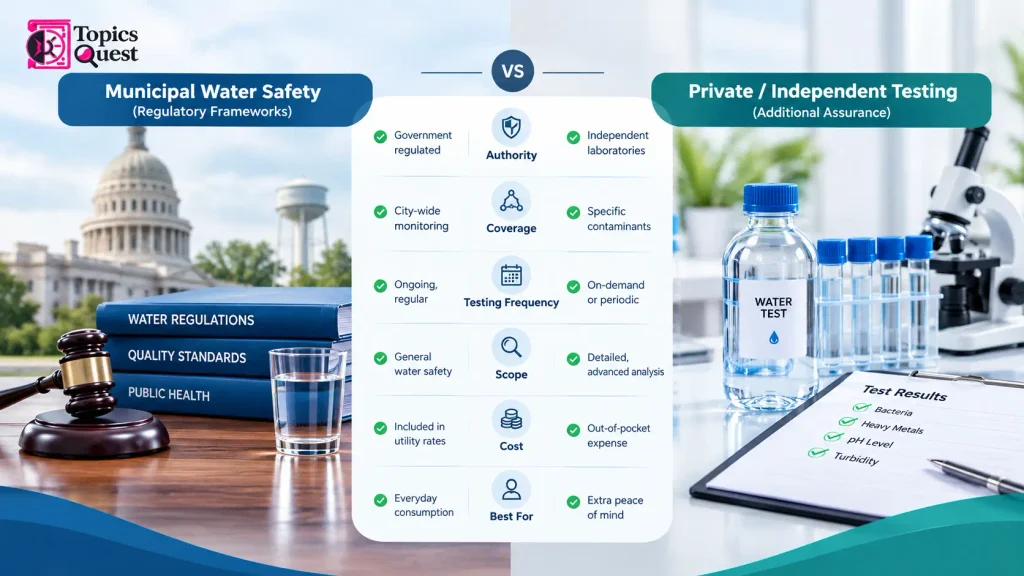
To ensure that the public has reliable access to safe hydration, complex regulatory frameworks govern both municipal infrastructure and the commercial packaging industry. Understanding these oversight mechanisms empowers consumers to trust their local supply and make highly informed choices.
The EPA established federal drinking water limits for six PFAS, including enforceable limits of 4 parts per trillion for PFOA and PFOS under its 2024 rule.
The EPA and the Safe Drinking Water Act
In the United States, public tap water is rigorously regulated by the Environmental Protection Agency (EPA) under the authority of the Safe Drinking Water Act (SDWA). This foundational legislation empowers the EPA to set strict Maximum Contaminant Levels (MCLs) for over 90 distinct chemical, biological, and radiological elements. Water utilities are legally mandated to perform continuous, highly structured testing and transparently publish the results in annual Consumer Confidence Reports. Independent organizations, such as the Environmental Working Group (EWG), also maintain comprehensive tap water databases, allowing citizens to easily verify the exact purity of their local supply.
The regulatory landscape is highly dynamic and continuously improving. Recently, the EPA finalized the Lead and Copper Rule Improvements (LCRI), which establish a highly ambitious federal mandate requiring the complete inventory and replacement of virtually all lead service lines across the nation by 2037. Additionally, the EPA has instituted strict, legally enforceable limits on six specific PFAS “forever chemicals,” capping them at exceptionally low levels (4 parts per trillion for PFOA and PFOS). These proactive, health-focused measures represent a massive advancement in the ongoing protection of public water systems.
FDA Oversight of Bottled Water
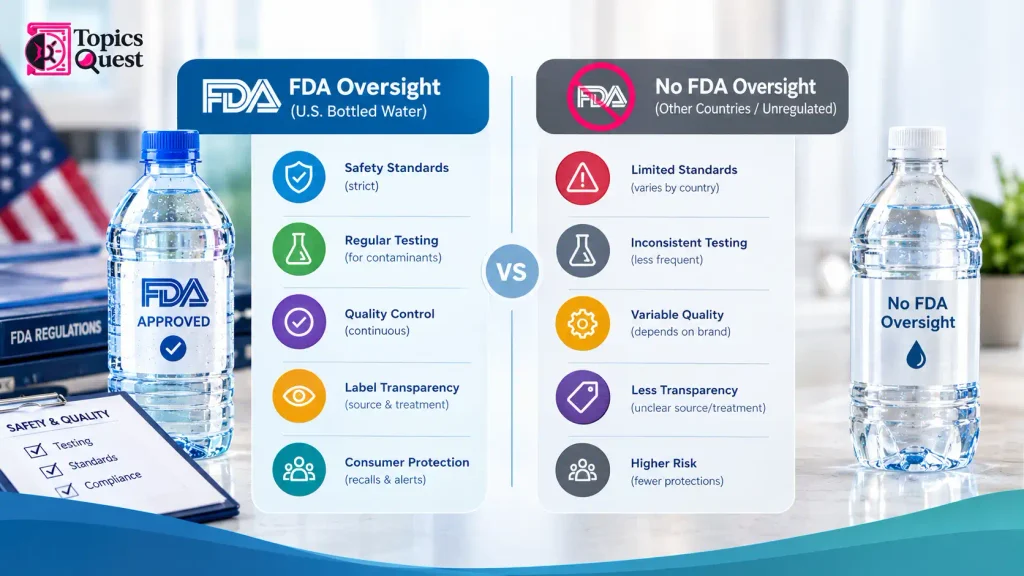
The commercial bottled water industry is overseen by the U.S. Food and Drug Administration (FDA), which regulates packaged water as a food product. The FDA establishes Standards of Quality that are closely aligned with the EPA’s municipal guidelines, ensuring that bottled water is exceptionally safe and free from harmful pathogens. Bottling facilities must adhere to strict Current Good Manufacturing Practices, which dictate precise protocols for source protection, sanitary processing, and final product testing. This dual system of federal oversight guarantees that whether individuals choose to drink the tap water or purchase a sealed bottle, they are protected by highly sophisticated safety networks.
Geographic Variations in Tap Water Quality
Hydration requirements remain essential during international travel. Because water infrastructure naturally varies based on regional geology and development, understanding local water quality is an excellent and highly recommended part of proactive travel planning
Desalination and Filtration in the Caribbean
Many popular travel destinations in the Caribbean have invested heavily in advanced water infrastructure, providing tap water that is exceptionally safe and wonderfully refreshing. Nations such as Barbados utilize natural, highly porous coral limestone aquifers that effectively filter groundwater to immaculate standards. Consequently, travelers can safely enjoy the tap water across the island without any need for secondary filtration.
Conversely, islands with limited natural freshwater, such as Aruba and the Cayman Islands, rely on sophisticated seawater desalination facilities. These high-tech plants utilize intensive reverse osmosis and thermal distillation to produce water of unparalleled purity. Visitors to these destinations can confidently drink water straight from the tap, enjoying high-quality hydration while simultaneously reducing the environmental burden of single-use plastic bottles.
The Pristine Glacial Waters of Iceland
For those traveling to Nordic regions, Iceland offers an exceptional example of pristine natural water sourcing. The municipal water supply in Reykjavik and surrounding areas is drawn directly from deep subterranean groundwater reserves and pure glacial meltwater. This water undergoes decades of slow, natural filtration through highly porous volcanic basalt, emerging completely free of anthropogenic contamination. The quality is so remarkably high that Icelandic municipal water requires absolutely no chemical chlorination prior to distribution. The result is an incredibly crisp, pure beverage that represents some of the highest-quality tap water available anywhere on the globe.
Veterinary Hydration Requirements: The Chinchilla Model
The biological necessity for clean, precisely formulated hydration extends entirely to companion animals, whose specific metabolic requirements often differ drastically from human needs. Providing optimal hydration for exotic pets requires a highly specialized understanding of their anatomy and dietary habits.
The chinchilla serves as a prime example of unique physiological hydration needs. These small herbivores possess a highly efficient gastrointestinal system designed to extract maximum nutrition from sparse, arid vegetation. Consequently, they absorb dietary calcium directly in proportion to their intake, leaving the kidneys responsible for filtering and excreting the excess. If a chinchilla is fed an overly rich diet—such as high-calcium alfalfa pellets—without maintaining adequate fluid intake, the urine becomes highly saturated, leading to the rapid formation of calcium carbonate bladder stones.
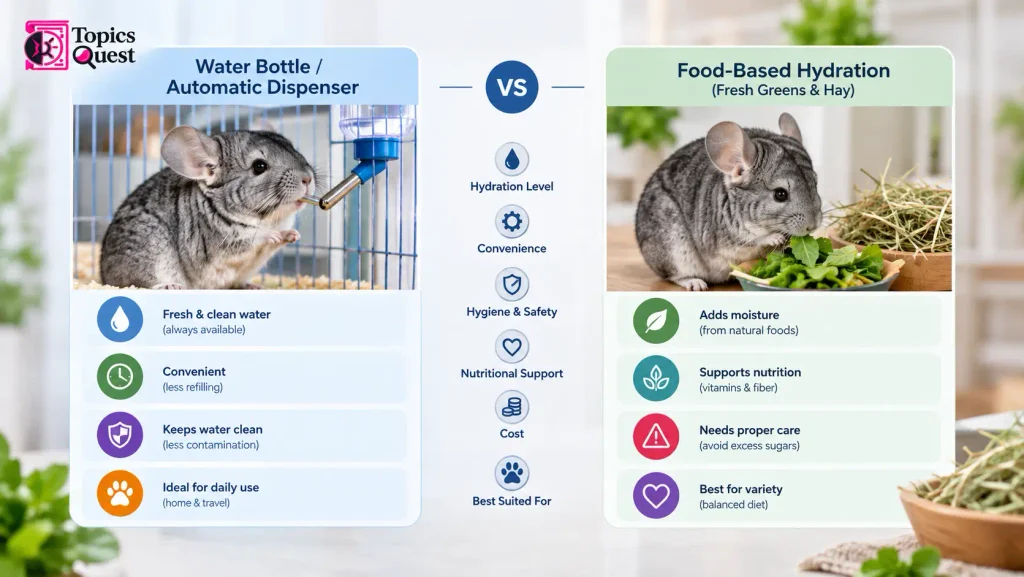
To support the renal health of these animals, owners must provide constant, uninterrupted access to clean drinking water. Furthermore, it is highly imperative to mechanically test the pet’s water bottle daily by tapping the ball bearing to ensure the water flows freely and the mechanism is not obstructed. Proper hydration management is a fundamental, non-negotiable pillar of responsible veterinary care that successfully promotes long-term animal vitality.
Summary of Optimal Hydration Practices
Deciding what water to drink involves a thoughtful evaluation of personal wellness goals, localized water infrastructure, and environmental stewardship. By embracing advanced home filtration technologies to enhance municipal supplies, selecting natural mineral waters for biological support, and utilizing reusable containers to minimize nanoplastic exposure, individuals can easily optimize their daily hydration routines. A proactive, well-informed approach to water consumption ensures that the body receives the pristine, supportive fluids necessary to function at its absolute best.