|
Getting your Trinity Audio player ready... |
Best Things To Do In El Salvador: 2026 Travel Guide
The best things to do in El Salvador include completing the magnificent Santa Ana volcano hike, exploring the impeccably preserved Mayan village of Joya de Cerén, and catching world-class waves along the Surf City coastline. Visitors will discover a beautifully modernized infrastructure and a highly welcoming culture, making this Central American destination a premier choice for 2026 travel.
A Destination Transformed: The 2026 Tourism Landscape
The smallest country in Central America has rapidly evolved into a global powerhouse for international tourism and outdoor recreation. Recognizing the profound shifts in national infrastructure and safety protocols, international travelers and investors are increasingly selecting this beautiful country for extensive vacations and capital allocation. El Salvador offers an exceptional mix of pristine beaches, ancient ruins, and majestic volcanoes, seamlessly blending ancient heritage with modern luxury.In its September 2026 report, UN Tourism’s September 2026 World Tourism Barometer ranked El Salvador second among the listed destinations for international-arrival growth in the first half of 2026, with a 37% increase compared with the same period in 2025.
According to official UN Tourism data, El Salvador ranks as the third fastest-growing tourism destination in the world for 2026. Between January and August 2026, the country welcomed 3.2 million international visitors, marking a 22% year-over-year growth trajectory. This influx generated an impressive $2.88 billion in tourism revenue during the same period, contributing approximately 14% to the national Gross Domestic Product (GDP). The regional power shift is dramatic; while neighboring nations grapple with rising domestic costs and currency fluctuations, El Salvador has capitalized on its strategic location, welcoming over 1.3 million visitors from Guatemala alone due to enhanced border processing efficiencies.
When analyzing things to do in El Salvador, the geographical diversity is striking. The nation features a unique topography where a towering volcano can be viewed from a world-class beach, allowing visitors to experience distinct microclimates within a single day. The impressive economic revitalization, championed by initiatives such as Surf City and extensive urban development in the capital San Salvador, provides a seamless and highly enjoyable travel experience. With a robust array of el salvador attractions, the destination appeals equally to nature lovers, history enthusiasts, and adventure seekers.
| Tourism Economic Metric | 2024 Benchmark | 2026 Data (Jan-Aug) | Growth & Implication |
| International Visitors | 3.9 Million | 3.2 Million | 22% Year-over-Year Increase, accelerating regional dominance. |
| Tourism Revenue | $3.5 Billion | $2.88 Billion | 12% Year-over-Year Increase, fueling local business expansion. |
| Foreign Direct Investment | $730 Million | Continued 8.8% Q1 Growth | 344% increase since 2022, primarily in coastal real estate and hospitality. |
| GDP Contribution | 14% | Sustained at ~14% | Double the pre-pandemic contribution of 6.4%, signaling structural economic reliance. |
Security Enhancements and Travel Advisories
The dramatic surge in international arrivals is inextricably linked to the nation’s profound security transformation. Previously characterized by complex domestic challenges, El Salvador now maintains one of the lowest homicide rates in the Western Hemisphere, recording a rate of 1.9 per 100,000 inhabitants. The implementation of the State of Exception in 2022 empowered local authorities to systematically dismantle organized crime networks, fundamentally revitalizing public spaces and commercial corridors.
For international visitors wondering is El Salvador safe, the current landscape is highly secure for standard tourism. The tourist police force (POLITUR) provides dedicated security and assistance to travelers across 19 major tourist destinations, ensuring a welcoming environment. The U.S. Department of State formally updated its El Salvador Travel Advisory to Level 1: Exercise Normal Precautions, reflecting the measurable decline in violent crime and the stabilization of civic infrastructure.
Travelers should remain aware of specific local regulations to ensure a smooth travel experience. Travelers can enjoy a hassle-free experience by maintaining a completely zero blood alcohol level while driving and by ensuring they do not travel with any THC or CBD products, as required by local safety regulations. By maintaining standard situational awareness and adhering to local laws, visitors can comfortably and confidently explore the tourist places of el salvador.
Exploring the Capital: San Salvador
To truly understand the modern trajectory of the nation, a trip to San Salvador is essential. The capital city serves as the cultural, historical, and economic nucleus of the country. Recent metropolitan revitalization projects have transformed the Historic Center into an exceptionally vibrant and secure environment for pedestrians, currently ranking as the second most visited tourist destination in the country.
The Historic Center and Architectural Marvels
The focal point of attractions in San Salvador is the impeccably restored Historic Center. The National Palace stands as a magnificent testament to the nation’s architectural heritage, featuring elegant interior courtyards and intricate tile work. Adjacent to the plaza, travelers will discover the iconic El Rosario Church. From the exterior, the concrete structure appears stark and industrial; however, stepping inside reveals an extraordinary architectural achievement. The interior features cascading stained-glass windows that project a stunning rainbow light effect across the altar, changing hues as the sun traverses the sky. This modern marvel remains a premier hidden gem for architecture enthusiasts compiling a list of things to see in el salvador.
Museums and Cultural Integration
For individuals seeking profound cultural immersion, the capital’s museums provide comprehensive educational resources. The National Museum of Anthropology (MUNA) offers detailed exhibits tracing the lineage of pre-Columbian societies, the colonial era, and modern Salvadoran history. When researching things to do in san salvador el salvador, dedicating a full afternoon to these cultural institutions ensures a deep appreciation of the local heritage. Engaging in a specialized walking tour through the capital provides valuable historical context and local insights that greatly enhance the overall visit.
If you enjoy exploring museums and cultural landmarks while traveling, you can also browse our Mexico City travel guide for another destination in the wider Mesoamerican region.
(Urban Nature and Family-Friendly Parks
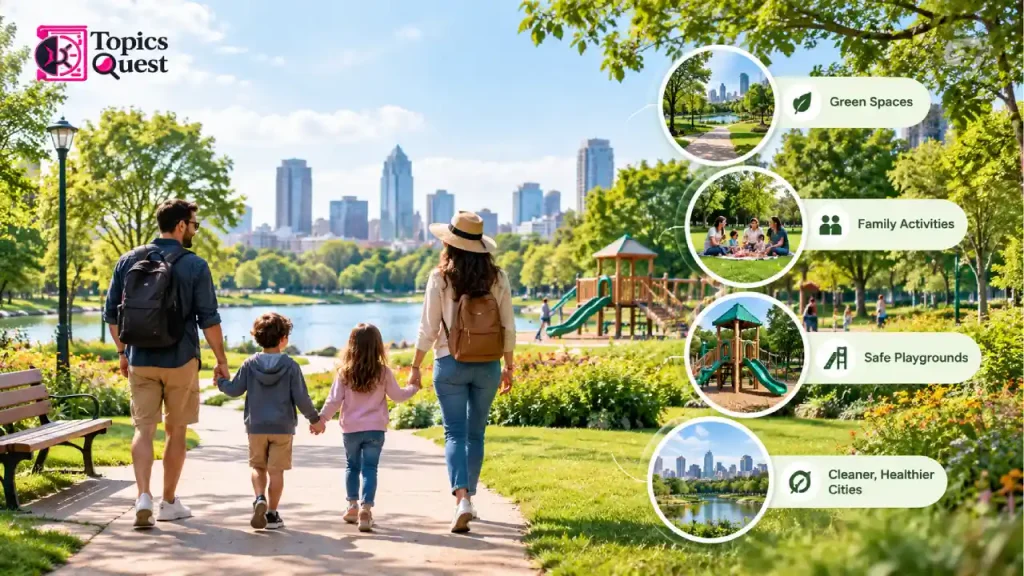
The metropolitan area is uniquely blessed with expansive green spaces that provide high-quality outdoor recreation for families and nature lovers. El Salvador places to visit frequently feature beautifully maintained public parks that blend natural conservation with community engagement, offering secure environments for a child to play and explore.
Parque Bicentenario
Serving as the ecological lung of the capital, Parque Bicentenario is an expansive natural reserve situated within the Finca El Espino coffee estate, bridging San Salvador and Antiguo Cuscatlán. Inaugurated on November 5, 2011, to commemorate the bicentennial of the independence movement, the park represents the metropolitan area’s first natural protected area. The park features extensive, shaded trails perfectly suited for mountain biking and peaceful walking. It serves as a sanctuary for diverse flora and fauna, providing an essential habitat for local and migratory bird species within an urban environment. Pedestrian access is completely free, making it an excellent location for families. Visitors arriving by vehicle will find secure parking available for a nominal fee of $1 from Monday to Friday, and $2 on weekends, with operating hours from 6:00 a.m. to 6:00 p.m..
Parque El Principito and Parque Balboa
Located in the neighboring municipality of Santa Tecla, Parque El Principito is an exceptional family park inspired by the classic literature of Antoine de Saint-Exupéry. This destination is renowned for its child-friendly environment, featuring a meticulously designed playground and a prominent dome structure that captivates young visitors. The park frequently hosts amusement pop-ups such as Fun City, offering mechanical rides and inflatable attractions. During the festive season, Parque El Principito transforms into a vibrant Christmas village, attracting tens of thousands of families for evening strolls and joyous celebrations.
Another beloved location is Parque Balboa, situated in the culturally rich municipality of Planes de Renderos. Known for its towering trees, winding pathways, and impressive monuments, the park provides an ideal setting for afternoon picnics and outdoor recreation. Furthermore, the surrounding area is famous for its culinary offerings, particularly the national dish, pupusas. Enjoying freshly made pupusas in the cool mountain air of Planes de Renderos is an experience visitors don’t miss when looking for things to do en el salvador.
| Urban Park | Primary Location | Key Features and Amenities | Access and Parking |
| Parque Bicentenario | San Salvador / Antiguo Cuscatlán | Cloud forest elements, trails, mountain biking, ecological reserve. | Free pedestrian entry. Parking: $1 weekday, $2 weekend. |
| Parque El Principito | Santa Tecla | Themed sculptures, playground, mechanical rides (Fun City), family events. | Public access, extended evening hours during festivals. |
| Parque Balboa | Planes de Renderos | Dense tree canopy, historical monuments, immediate access to traditional pupusas. | Public access, ample parking available. |
Volcanic Landscapes: The Apaneca-Ilamatepec Range
The volcanic geography of the region is absolutely spectacular, shaping both the agriculture and the topography of the nation. For individuals seeking activities to do in El Salvador, the western volcanic range provides some of the most rewarding and accessible hiking experiences in Central America.
Cerro Verde National Park (Los Volcanes)
Parque Nacional Los Volcanes, commonly referred to as Cerro Verde National Park, protects a stunning complex of three major volcanoes: Cerro Verde, Izalco, and Santa Ana. Inaugurated in 1955, the park encompasses approximately 4,500 hectares of protected land at elevations ranging from 1,500 to 2,381 meters, functioning as a vital biological corridor across western El Salvador.
The Cerro Verde volcano, standing at 2,030 meters, is extinct, and its crater is entirely covered by a lush, vibrant cloud forest. The park’s well-maintained trails allow visitors to observe exotic bird species, including mountain trogons, emerald toucanets, and occasionally the resplendent quetzal. The verdant canopy, draped in mosses, ferns, and wild epiphytic orchids, presents an idyllic setting for ecological photography and peaceful nature walks. Mammal diversity in this protected zone includes white-nosed coatis, agoutis, and several bat species, showcasing the rich flora and fauna of the verde national park.
The Santa Ana Volcano Hike
The absolute pinnacle of outdoor recreation in the region is the Santa Ana volcano hike. As the tallest volcano in the country at 2,381 meters, Santa Ana (also known as Ilamatepec) provides an exhilarating, moderate-to-challenging ascent. The trail takes hikers through diverse ecological zones, beginning in the cool cloud forest and transitioning to stunted montane scrub and rugged, rocky terrain near the summit, reflecting the harsh conditions created by volcanic gases and strong winds.
Upon reaching the top, climbers are rewarded with an extraordinary view into the massive crater, which holds a mesmerizing, brightly colored turquoise sulfur lake. From the summit, the panoramic vistas encompass the breathtaking Lake Coatepeque and extend out to the Pacific Ocean. This active stratovolcano last erupted in 2005, and hiking to its summit remains one of the el salvador top tourist attractions.
Izalco: The Lighthouse of the Pacific
Adjacent to Santa Ana stands Izalco, a perfectly conical stratovolcano with a fascinating geological history. For nearly two centuries (1770–1958), Izalco erupted so consistently that maritime navigators utilized its glowing lava to guide their ships, earning it the prestigious title “Lighthouse of the Pacific”. Today, the dormant Izalco volcano features a striking expanse of dark volcanic rock, creating a beautiful and dramatic contrast with the surrounding lush greenery. The slopes of Izalco present a striking ecological contrast, with barren lava fields slowly being colonized by lichens, mosses, and pioneer plants. Ascending Izalco is a demanding physical challenge, but the achievement makes it a highly sought-after accomplishment for seasoned hikers visiting the country.
After completing the hikes, many visitors take a day trip to the nearby Lake Coatepeque. This stunning volcanic caldera lake offers opportunities for swimming, kayaking, and relaxing by the water, perfectly complementing the intense physical activity of the volcanic ascents. Some regions around the volcanic chain also feature natural hot springs, providing therapeutic relaxation for weary hikers.
The Coastal Renaissance: Surf City and La Libertad
The southern coastline features some of the most consistent and powerful surf breaks on the planet, characterized by long, peeling right-handers that can run for hundreds of yards. The government’s highly strategic Surf City initiative has successfully transformed the department of La Libertad into a premier international beach destination, hosting major World Surf League Championship Tour events.
Before swimming at beaches, waterfalls, or lakes, visitors should review the advisory’s guidance on swimming and water conditions and follow local warnings and safety instructions
El Tunco and El Zonte
When identifying tourist places in El Salvador, the coastal towns of El Tunco and El Zonte stand out as major hubs of aquatic activity and lifestyle tourism. El Tunco is famous for its vibrant atmosphere, excellent dining establishments, and immediate access to the world-class waves at Sunzal and La Bocana. The town features a recognizable rock formation situated just offshore, providing a picturesque backdrop for stunning Pacific sunsets. El Tunco has become the most visited tourist destination on the coast, offering a reliable safety environment and extensive amenities for international travelers.
A short drive down the coast lies El Zonte, a remarkably tranquil beach town that has garnered massive international fame as the birthplace of the Bitcoin Beach initiative. El Zonte features exceptional surf conditions, upscale eco-lodges, and a highly welcoming local community. As the world’s first country to adopt Bitcoin as legal tender, El Salvador draws a tech-forward demographic, with El Zonte serving as a pilgrimage site for the cryptocurrency community.
Economic Realities and Gentrification
The influx of international capital has significantly altered the socioeconomic landscape of these coastal communities. Between 2015 and 2020, the average price of land per square meter in El Zonte increased substantially, and the real estate market in the region has grown by 45% in recent years. Areas that were previously marginalized are now the subjects of intense real estate bidding wars.
While this development has provided numerous jobs for local youths through surf schools and hospitality venues, it has also introduced complex gentrification dynamics. The ocean, once a strictly communal resource, is increasingly managed alongside luxury hotel amenities.To maintain the perfect waves, it is essential to protect the river ecosystems by carefully managing new development and sand resources. However, the government and local associations are actively working to balance this rapid expansion with sustainable ecotourism practices, ensuring that the local fishermen and native populations maintain their vital connection to the coastal economy. For a true surfer, riding the perfect waves in these waters remains a profound and unmatched travel experience.
Tamanique Waterfalls
Located just inland from the coast, the Tamanique cascadas present a perfect excursion for visitors staying in the Surf City area. A guided hike down into the lush, tropical valley reveals a series of magnificent waterfalls where travelers can safely swim in cool, crystalline pools. This excursion brilliantly combines coastal relaxation with inland adventure, solidifying the region as one of the best places to visit in el salvador.
Heritage and Culture: Mayan Roots and Colonial Charm
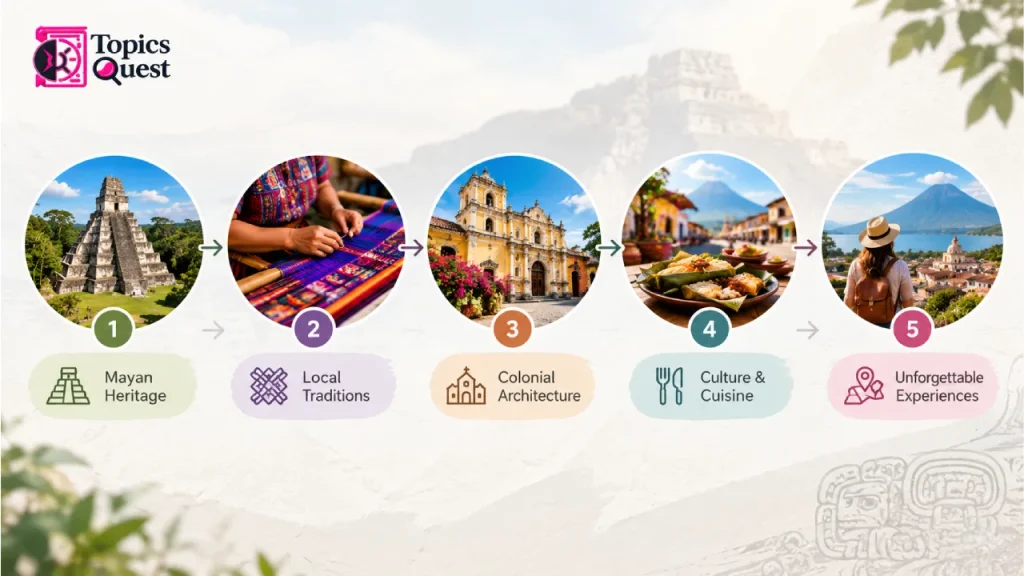
A comprehensive itinerary must include the profound historical depth of the region. The nation’s cultural heritage is deeply intertwined with indigenous Mayan roots, ancient geological events, and beautifully preserved colonial architecture.
Joya de Cerén: The Pompeii of the Americas
This remarkable volcanic event covered the site with 10 meters of ash in just a few hours, perfectly preserving the area for incredible archaeological discoveries. The exceptionally low temperature of the ash and the rapid burial created a perfect time capsule, preserving the village in extraordinary detail. Scholars suggest that a 4.0 Richter scale earthquake preceded the eruption, giving the estimated 200 residents time to flee, as remarkably, no human remains have been found at the site.
Unlike other famous Mayan sites that showcase the grand stone palaces of the elite, Joya de Cerén documents everyday subsistence and social interactions.
Travelers interested in exploring more of the region’s ancient Maya heritage can also discover Tulum’s ancient Maya ruins in Mexico
Excavations have revealed 18 structures, including intact wattle-and-daub houses (which are highly earthquake-resistant), communal saunas (tamazcal), sleeping mats, and even fossilized agricultural fields. The discovery of mature maize, guava, cacao, and the oldest known cultivated cassava farmland provides deep insights into ancient agricultural practices. Discovered accidentally in 1976 by a bulldozer operator, Joya de Cerén is undeniably one of the most fascinating el salvador tourist sites.
La Ruta de las Flores
The famed la ruta de las flores (The Route of Flowers) is a highly picturesque scenic drive that winds through the western Apaneca-Ilamatepec mountain range. This route connects several charming colonial towns, each offering unique cultural and culinary experiences.
- Nahuizalco: Renowned for its rich indigenous heritage and exceptional wicker and wood craftsmanship. The town hosts a vibrant night market illuminated by candlelight, offering a uniquely traditional shopping experience.
- Juayúa: Famous for its weekend food festival (Feria Gastronómica), where visitors can sample an incredible array of traditional Salvadoran cuisine. The nearby Los Chorros de la Calera waterfall provides a refreshing and scenic swimming opportunity.
- Apaneca: Situated at the highest altitude along the route, Apaneca offers cool, crisp weather and thrilling adventure activities. Visitors can enjoy an exhilarating zipline canopy tour and the famous rainbow slide at Café Albania, a highly popular attraction for thrill-seekers.
- Ataco: Concepción de Ataco is widely celebrated for its stunningly vibrant street art. Nearly every wall in the town is adorned with a colorful mural depicting local folklore, indigenous history, and regional coffee culture.
The high altitude, abundant rainfall, and fertile volcanic soil make this region the premier coffee-producing area in the nation. Touring a lush coffee plantation allows visitors to learn about the intricate cultivation process and sample world-class Salvadoran coffee directly from the source, experiencing the agricultural backbone of the central american economy.
Suchitoto: The Cultural Capital
Located just an hour north of the capital, Suchitoto is a beautifully preserved colonial town characterized by immaculate cobblestone streets, whitewashed houses, and terracotta roofs. The town overlooks the expansive Lake Suchitlán, an artificial lake created by a hydroelectric dam that now serves as a vital sanctuary for migratory birds. Suchitoto is a hub for arts and culture, offering traditional indigo dyeing workshops and housing numerous independent art galleries. It is a peaceful, enchanting location that perfectly encapsulates the nation’s artistic soul and is highly recommended for anyone traveling to el salvador.
Practical Travel Guide: Logistics and Navigation
To fully optimize a trip to El Salvador, understanding the practical logistics of travel is highly beneficial. The nation’s infrastructure is continually modernizing, supported by comprehensive government investments that make it easier and safer than ever to explore.
The Best Time to Visit
The local climate is strictly divided into two distinct seasons. The dry season runs from November to April and is generally considered the best time to visit. During these months, travelers can expect clear blue skies, excellent hiking conditions, and optimal beach weather. However, accommodation and transport costs may experience slight increases during peak holiday periods such as Christmas and Easter.
The rainy season, extending from may to october, typically features intense but brief afternoon and evening downpours. Rather than being a deterrent, the rainy season brilliantly transforms the landscape into a vibrant, lush green environment. This period is spectacular for ecological tourism, allowing visitors to observe the majestic flora and fauna in peak bloom while benefiting from fewer crowds at major sites.
Transportation Strategies
Determining the best way to get around depends largely on the desired travel pace and specific itinerary. The national highway system is robust and well-maintained, particularly along the coastal regions connecting the airport to Surf City. Choosing to rent a car provides ultimate flexibility, allowing visitors to access secluded hiking trails and off-the-beaten-path villages at their own convenience.
While local public transport (often referred to as “chicken buses”) is highly affordable, international travelers seeking efficiency and comfort typically favor specialized tourist shuttles, highly reliable ride-hailing applications in the capital, or private drivers. Securing a knowledgeable local guide is also an excellent strategy to get around el salvador. Certified guides not only provide safe transport but also offer in-depth historical context, ensuring visitors discover hidden gems outside the standard tourist corridors.
Currency and Purchasing Power
Financially, the official currencies of the nation are the US Dollar and Bitcoin. Using US currency makes transactions incredibly straightforward for North American visitors, completely eliminating the need for complex currency conversions. For travelers evaluating their budget, the purchasing power of $100 US in El Salvador is exceptionally strong. It can comfortably cover a night in a high-quality boutique hotel, multiple excellent meals at highly rated restaurants, and entrance fees to several national parks.

While credit cards are widely accepted at modern hotels, shopping malls, and established restaurants, carrying small-denomination cash is highly recommended. Cash is essential for purchasing items in rural markets, paying minor entrance fees at ecological parks, or tipping local guides and service workers.
Comprehensive Itinerary Planning
When planning a week in El Salvador, a well-structured itinerary ensures a perfect balance of relaxation, cultural immersion, and physical adventure.
- Days 1-2: Begin by exploring the capital San Salvador. Take a comprehensive walking tour of the Historic Center, visit the magnificent National Palace, admire the architecture of el rosario church, and enjoy the tranquil greenery of Parque Bicentenario.
- Days 3-4: Journey west to the Apaneca-Ilamatepec mountain range. Dedicate a full morning to completing the Santa Ana volcano hike. In the afternoon, visit the awe-inspiring archaeological site of Joya de Cerén to understand ancient Mayan life.
- Days 5-6: Travel leisurely along La Ruta de las Flores. Experience the weekend food festival in Juayúa, admire the detailed murals in Ataco, and experience the thrill of the rainbow slide in Apaneca.
- Days 7: Conclude the trip on the southern coast. Enjoy the pristine beaches of La Libertad, experience the vibrant surfing culture at El Tunco, and relax by the Pacific Ocean before departing from the highly modernized international airport.
The top things to do in El Salvador highlight a country that is incredibly diverse, culturally rich, and remarkably beautiful. From the moment travelers arrive, they will find a friendly and welcoming population eager to share their beautiful country with the world. The tourism and attractions in El Salvador are undeniably world-class, ensuring that anyone visiting the country will leave with unforgettable memories and a deep appreciation for this Central American gem.
Frequently Asked Questions